The Best Prediction Markets: Polymarket, Kalshi, Predict.fun
Best Prediction Markets: Polymarket vs Kalshi vs Others — Pros, Cons, and How They Actually Work
Once you understand what prediction markets are, the next obvious question is:
Which prediction market should I actually use?
I’ve spent a lot of time across different platforms — watching how markets behave, how they’re resolved, and how traders actually interact with them.
This post is not hype—it is a blunt comparison of how each venue matches different trading and compliance constraints.
A Quick Reminder: Not All Prediction Markets Are the Same
All prediction markets ask questions about the future.
But they differ massively in:
- how markets are created
- how outcomes are resolved
- who can participate
- what types of events are covered
Some feel like financial markets.
Others feel closer to regulated forecasting platforms.
Understanding these differences matters.
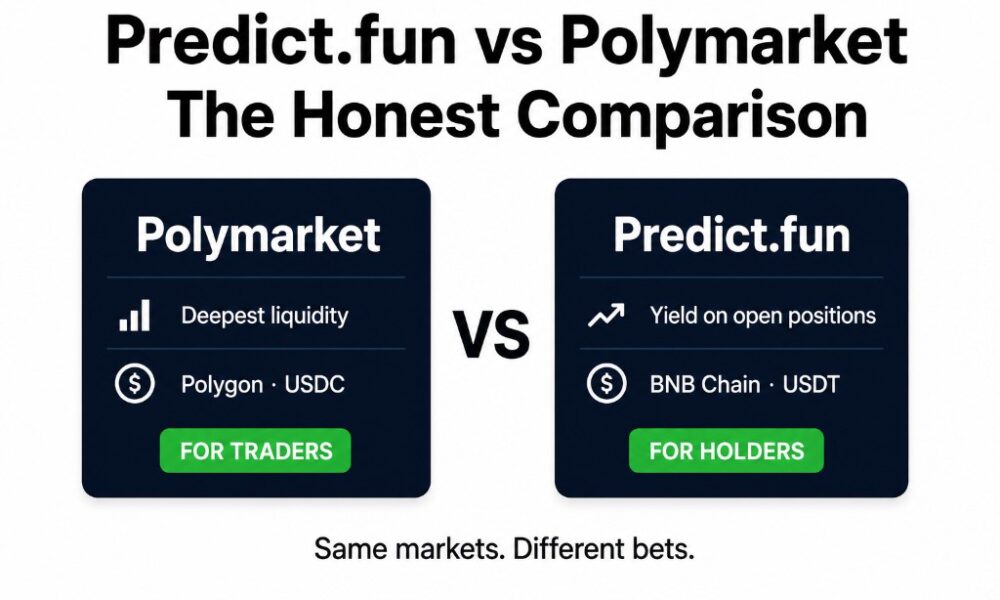
Polymarket
Polymarket is currently the most well-known crypto-based prediction market.
How Polymarket Works
Polymarket operates on blockchain infrastructure and allows users to trade markets like:
- political outcomes
- economic events
- crypto price movements
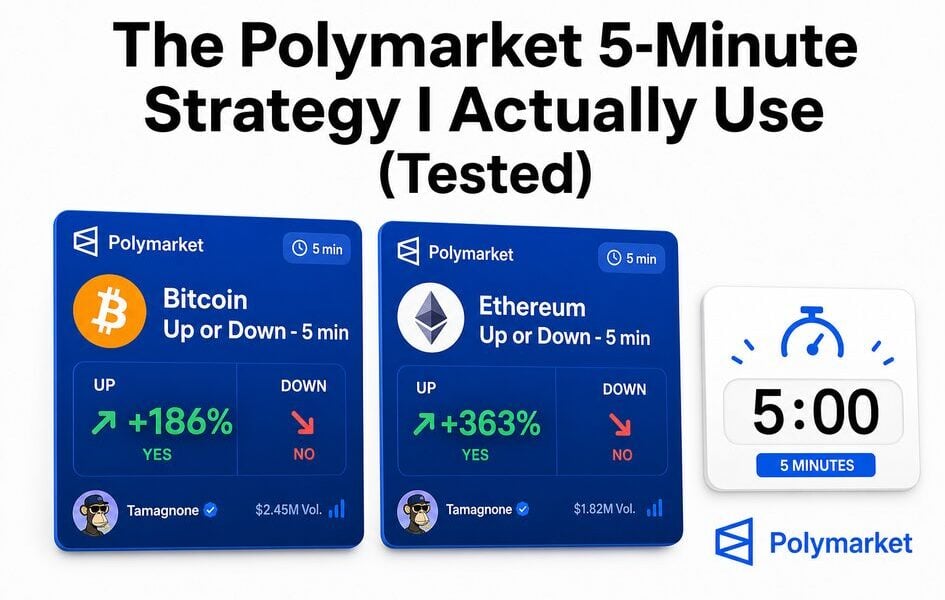
- short-term UP/DOWN markets
Markets are typically resolved using:
- predefined data sources
- external oracles
- clear resolution rules published upfront
Trading is continuous, and prices move dynamically based on demand.
Pros
- Very active markets
- High liquidity in popular questions
- Real-time probabilities
- Wide variety of event types
- Strong adoption in crypto and political markets
Cons
- Can feel confusing at first
- Odds move fast in short-term markets
- Requires some familiarity with crypto tools
- Emotional crowd behavior can distort prices short-term
My Take
Polymarket feels closest to a real market.
It rewards:
- timing
- probability thinking
- discipline
It punishes:
- chasing
- emotional trades
- bad entries
For active traders, this is a feature — not a bug.
Kalshi
Kalshi takes a very different approach.
How Kalshi Works
Kalshi is a regulated prediction market based in the United States.
It focuses heavily on:
- macroeconomic indicators
- political outcomes
- regulatory events
Markets tend to be longer-term and more structured.
Pros
- Regulated environment
- Clear, legally defined resolution rules
- Strong focus on economic data
- Feels familiar to traditional finance users
Cons
- Limited event variety
- Less flexibility
- Lower activity compared to Polymarket
- Not designed for fast or short-term trading
My Take
Kalshi is built for forecasters, not traders.
If you enjoy long-term macro predictions and regulated environments, it makes sense.
If you want speed, flexibility, or crypto-style markets, it may feel slow.
Predict.fun (and Similar Platforms)
Platforms like Predict.fun lean toward a more experimental, community-driven style.
How They Work
These platforms:
- often focus on meme events or internet culture
- experiment with market creation
- prioritize fun and engagement
They’re usually less formal and less liquid.
Pros
- Creative questions
- Fun participation
- Low barriers to entry
Cons
- Low liquidity
- Less reliable resolution mechanisms
- Harder to use for serious forecasting
- Prices can be very noisy
My Take
These platforms are interesting — but not where I’d go to consistently forecast outcomes.
They’re better viewed as:
- experiments
- social prediction games
Not serious decision-making tools.
Other Prediction Markets (Overview)
There are many smaller or niche platforms focusing on:
- sports outcomes
- esports
- internal corporate forecasting
- academic experiments
These tend to serve specific audiences rather than the general public.
Centralized vs Decentralized Markets
One important distinction across platforms is how decentralized they are.
Centralized Markets
- Faster resolution
- Clear accountability
- Regulatory oversight
- Fewer disputes
Decentralized Markets
- Harder to censor
- More transparent
- Global participation
- Complex dispute systems
Neither is inherently better — they serve different needs.
Why Market Structure Matters
Different market structures lead to different behaviors.
For example:
- fast markets attract emotional traders
- long-term markets attract analysts
- low liquidity increases volatility
- high liquidity improves price discovery
Understanding the structure helps you avoid blaming the platform for predictable behavior.
How I Personally Choose a Prediction Market
Finding the best Prediction Markets isn’t easy. I ask three questions:
- Is the resolution clearly defined?
- Is there enough liquidity to exit or adjust?
- Does the market match my time horizon?
If the answer to all three is yes, it’s usable.
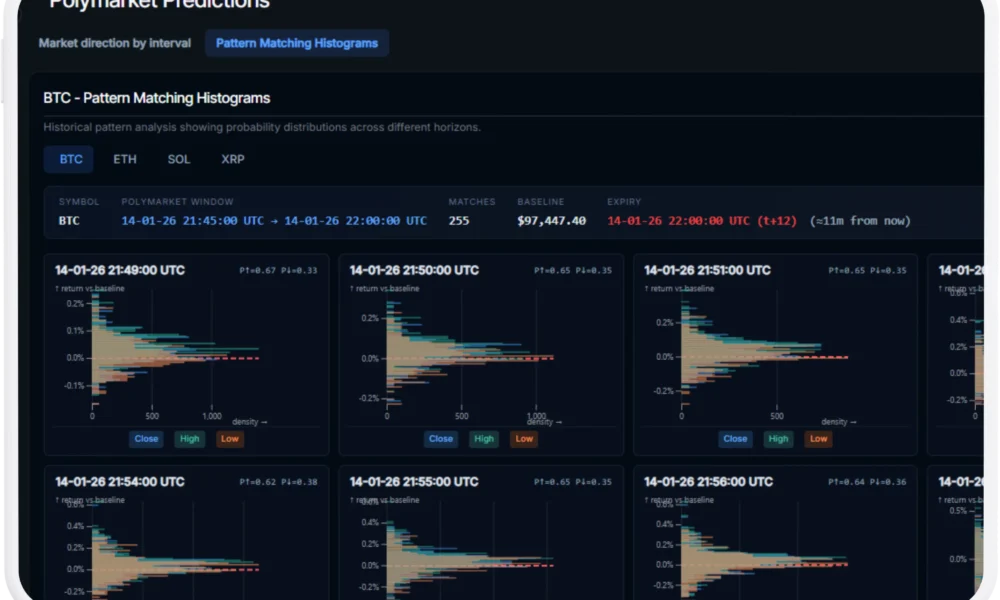
A Note on Tools (Important)
As prediction markets grow, one thing becomes obvious:
The most consistent users don’t trade manually.
They use:
- analytics
- probability tracking
- external signals
- behavioral insights
This applies especially to fast-moving markets like crypto.
We’ll cover this next.
Final Thoughts on the Best Prediction Markets
There is no “best” prediction market for everyone. Finding the “best prediction markets” depends on many factors.
Each platform reflects:
- its audience
- its goals
- its regulatory environment
The key is knowing what you want to do, and choosing the platform that fits that purpose.
Read Next
What Are Prediction Markets? How They Work and Why People Trust Them
(If you haven’t read the foundation yet.)
Analytics & Tools for Prediction Markets: How Traders Get an Edge
(Next article — where things get practical.)