
Crypto Signals
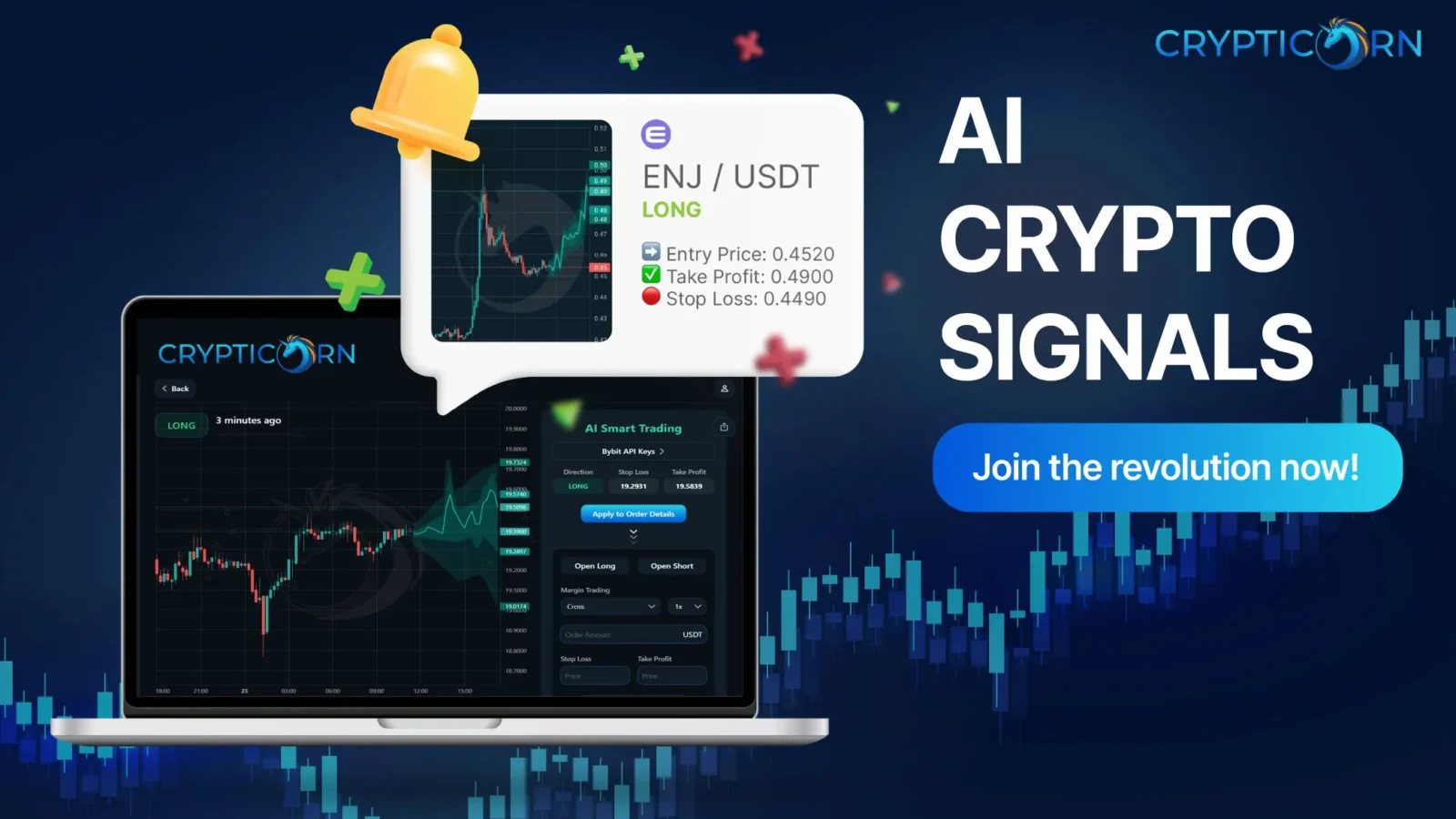
A practical guide to crypto signals - what they contain, how to execute them responsibly, and where AI changes the signal stack versus classic human-curated rooms.

First: an Overview - What Is Trading with Signals?
Trading with signals has many names: crypto signals, telegram signals, bitcoin signals, trading signals, futures signals, spot signals even discord signals. They all mean the exact same thing: trading based on the information others provide in terms of messages that tell you everything you need to know to make a trade. In the following we refer to them as crypto signals.
The same goes for “trading with signals” which is a commonly used term for this type of trading. So, what are these crypto signals everyone is talking about? Those are trading advices that have all the information a crypto trader needs to open his position at a cryptocurrency exchange like Binance, KuCoin, OKX, Bitget or ByBit.
Classic signals blend discretionary judgment, screen time, and indicator stacks. The weak link is consistency: humans fatigue, cherry-pick charts, and tilt after losses. Crypticorn takes a different path - model-driven forecasts for many symbols over multi-hour horizons, built to remove emotion from the raw read. AI signals are still signals: you decide sizing, venue, and when to skip a trade.
How Do Crypto Signals Look Like?
The Information in the crypto signal (see example below from Crypticorn’s crypto signals) includes everything you need to know:
- Symbol/Ticker name: BTC / USDT
- Trade direction: Long or Short
- Entry Zone, Entry prices
- Target, Multiple Targets or Take Profit(s)
- Stop Loss
- Leverage
With this information you only need to go to your favourite exchange and the perpetual futures area and place the trade. Done.
These trades behave like “fire-and-forget” hygiene: you load the contract, place take-profit (TP) and stop-loss (SL) levels, and you are done unless you actively manage the ticket. Experienced traders can still trail stops or peel contracts; the signal is the map, not the autopilot.
Crypto Signals Trade: the Amazing Results
As you can see, crypto signals are a no-brainer. If you have found a reliable signals provider like Crypticorn you can make a lot of nice profits. I tested them for one day with an even easier strategy. I mirrored their entries and placed take profit at 25% and stop loss at 50%. I did not add discretionary management beyond that.
I received ten crypto signals while testing. The window was under 24 hours. The results:
- One loss
- 9 WINS!

Conclusion
Overall, this is a solid on-ramp if you vet the vendor: read the disclosures, compare fills to the stated entries, and spend time in the community before sizing up. Reliable crypto signals can accelerate learning; unvetted ones just accelerate losses.
Further reading

Crypto Price Prediction
How Accurate Are AI Crypto Price Predictions? (2026)
Crypto Trading
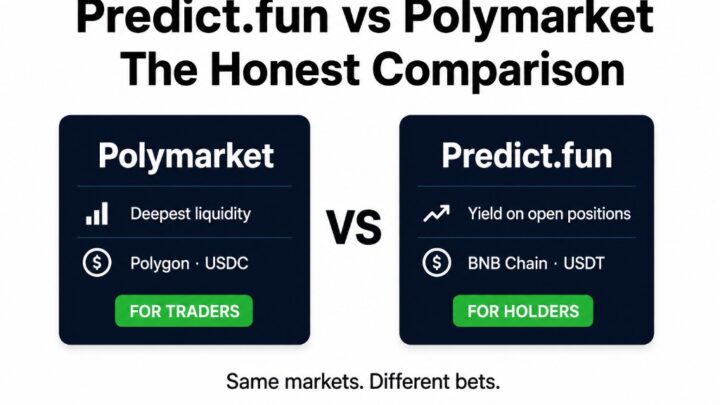
Predict.fun vs Polymarket: The Honest Comparison (2026)
Crypto Trading
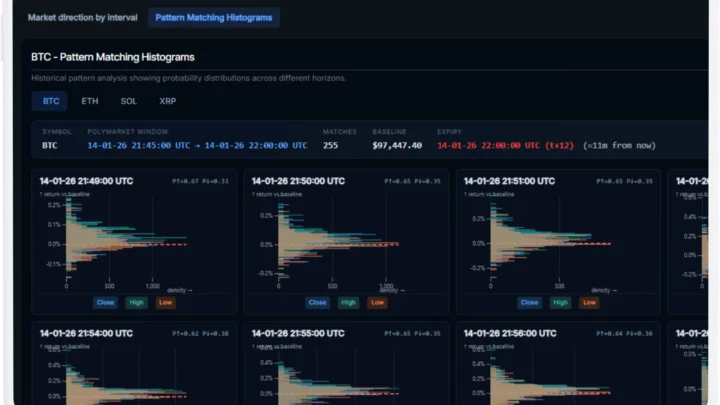
Ultimate Guide to Polymarket Crypto Trading (2026)
Crypto Trading
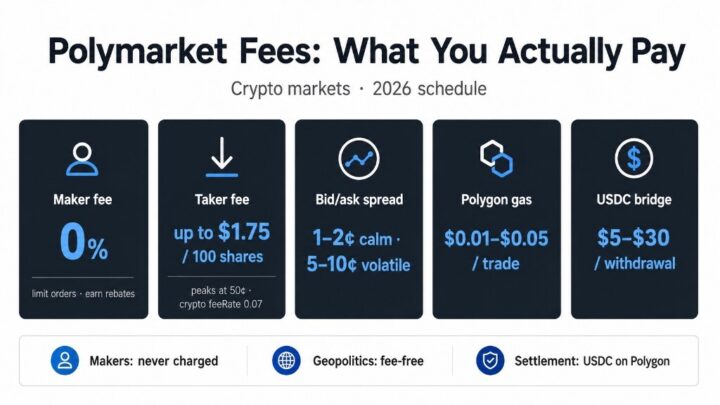
Polymarket Fees 2026: Taker Fees, Spread & Real Costs
Crypto Trading
The Polymarket 5-Minute Strategy I Actually Use (Tested)

Crypto Trading