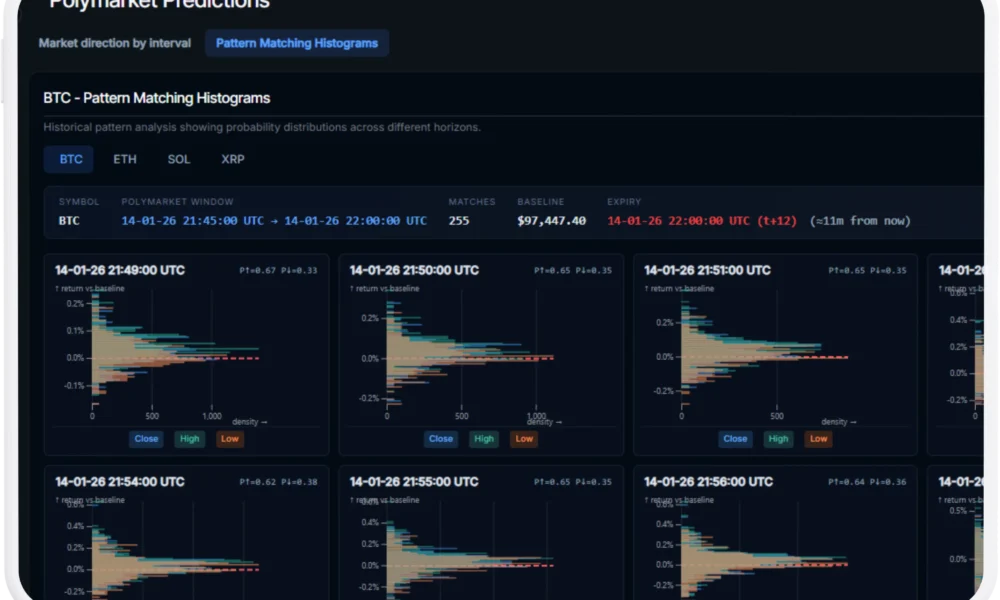
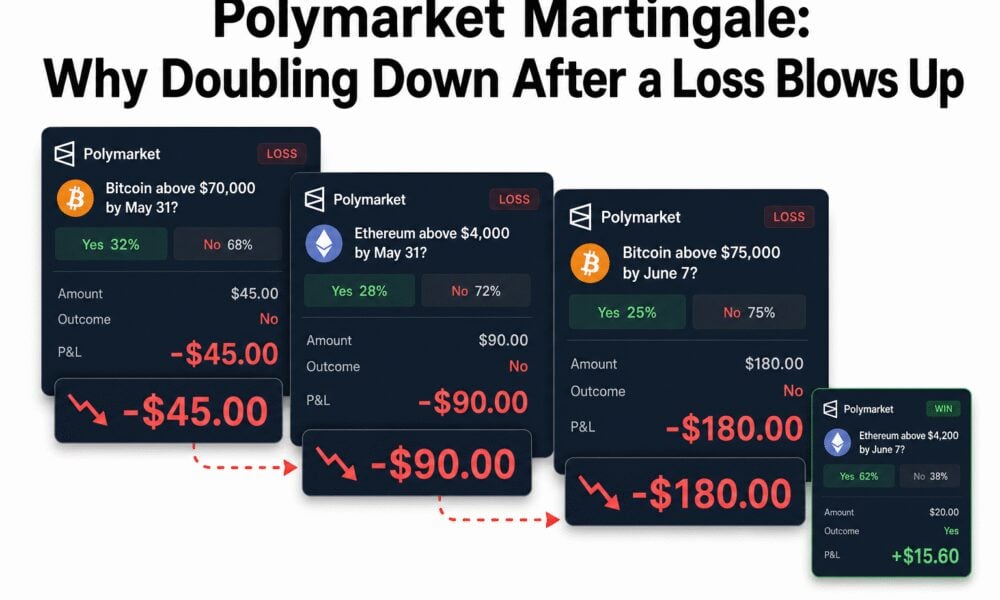
Cryptocurrency markets are volatile, always on, and structurally different from equities or FX. That mix creates opportunity and wipes out fragile strategies in the same week. A robust trading strategy is what keeps you in the game when correlations flip, liquidity thins, or a headline moves the tape. It is the posture we take when building Crypticorn's AI trading agents.
Here is why robustness matters, what it looks like in practice, and how to stress-test ideas before you size them.

What makes cryptocurrency trading unique
Compared with traditional markets, crypto differs in several predictable ways:
- High volatility: double-digit intraday moves still happen, especially on alts.
- 24/7 sessions: there is no closing bell, which raises monitoring and risk-management cost.
- Immature market structure: fragmented venues, uneven depth, and slippage on smaller names.
- Rapid innovation: new products and narratives reset behavior faster than many playbooks adapt.
- Correlation clusters: majors often move together, which magnifies portfolio-level risk.
Profit is not enough; resilience is the constraint that decides whether you are still trading after the next regime change.
Why robustness matters
1. Adaptability to market changes
Rules, liquidity, and narratives move quickly. A robust approach degrades gently when assumptions break instead of failing all at once.
Example: breakout systems that shone in a grind-up tape often bled when trend length shortened. Strategies that encoded both expansion and mean-reversion tended to survive the handoff.
2. Resilience to noise and outliers
Whipsaws, funding spikes, and single-wallet prints can look like signals. Robust designs separate liquidity events from durable shifts before they trade them.
Example: a sharp, unexplained dump can trip tight stops on fragile automation while a calmer risk layer sizes down or waits for confirmation.
3. Avoiding overfitting
Short histories tempt curve-fitting. Robust strategies validate on holdout windows and out-of-sample assets, not just the prettiest backtest slice.
Pitfall: a model tuned to one bull cycle can look perfect in-sample and implode when volatility and skew change.
4. Controlling drawdowns
Leverage and concentration turn small edges into large paths. Robust systems bake in sizing, hedges, and stop protocols so a rough week does not end the account.
Example: in deep corrections, traders who sized to worst-case path loss kept enough equity to participate in the recovery; those who optimized only for upside often did not.
5. Working across regimes
Bull, bear, and chop each reward different mechanics. Robust portfolios either blend styles or explicitly sideline conditions where the edge is unknown.
Example: pure breakout logic may dominate in trends but chop eats it alive unless paired with range-aware filters.
Characteristics of robust strategies
1. Simplicity where it counts
Simple risk rules are easier to enforce under stress than opaque stacks of indicators. Complexity should earn its keep in live performance, not in backtest aesthetics.
2. Stress-tested scenarios
Test across bull, bear, and sideways tapes, multiple volatility buckets, and out-of-sample instruments before deployment capital follows.
- Bull and bear segments of history.
- High- and low-volatility windows.
- Out-of-sample paths you did not tune against.
3. Integrated risk management
Stops, position limits, and diversification are part of the thesis, not an afterthought bolted on once P/L swings.
4. Execution realism
Account for fees, realistic slippage on thin books, and venue fragmentation, especially on smaller coins and tier-3 exchanges.
- Fees on spot and perps (often tens of basis points round-trip).
- Slippage when depth is shallow or flow is one-sided.
- Split liquidity across venues when you size up.
The chart below is a backtest snapshot: we run multiple parameter variants to see how sensitive performance is to small specification changes, not to chase a single peak.

Practical steps to build robust crypto strategies
1. Use out-of-sample testing
Hold data away from the fitting loop. If performance collapses on unseen periods, the edge was likely borrowed, not earned.
2. Run sensitivity analysis
Move stops, horizons, and filters slightly. Stable strategies keep directionally sane results across a band of reasonable parameters.
3. Model real-world costs
Include trading fees, slippage (see Hyperliquid fee and slippage notes), and liquidity ceilings. Skipping them flatters backtests and ruins live expectancy.
4. Diversify strategies, not just coins
Blend uncorrelated styles where possible trend, carry, mean reversion so one regime does not own the entire book.
5. Stress extreme events
Simulate gaps, liquidation cascades, and bad-news openings. Drop the best trades or inject synthetic losers to see whether the curve is propped up by a handful of miracles.
6. Monte Carlo checks
Use Monte Carlo reshuffles to inspect distributions of drawdown and return, not just the median path.
Why robustness is the edge
Crypto punishes brittle brilliance. Markets rotate; leverage bites; narratives expire. A strategy that survives those transitions keeps compounding while louder, narrower systems reset to zero.
The goal is not a perfect backtest. It is a process that still makes sense on Monday after the weekend repriced everything.
Final takeaway
Stay curious, but stay disciplined: re-stress when volatility regimes change, resize when correlation spikes, and treat robustness as a living requirement, not a one-time checklist.