
Crypto Trading

Candles, simple patterns, support and resistance, and a handful of indicators are enough to read a chart without drowning in jargon. We wrote this as a companion to our trend series and prediction dashboard - plain language first, screenshots second.
Cluster hub: Part of our crypto technical analysis indicators guide (2026).
What a Single Candle Shows
Each candle summarizes one period (one minute, one hour, one day - whatever your chart uses). The thick body spans open to close; the thin wicks mark the period’s high and low. Color tells you which side won: green (or hollow) if close is above open, red if close is below.

Patterns We Actually Look for
Patterns are shorthand for who controlled the auction inside a few bars - nothing magical, just repeated psychology.
- Doji: Open and close sit near each other; the crowd stalled. Wait for the next bar to break the range.
- Hammer / inverted hammer: Long wick versus tiny body after a trend - potential exhaustion.
- Engulfing: One bar fully covers the prior bar’s body - momentum flip attempt.
- Morning / evening star: Three-bar reversal templates; confirmation still needs volume and structure.
- Shooting star: Small body, long upper wick at highs - weakness if the tape fails follow-through.

Support and Resistance in One Minute
Support is a price where buyers historically stepped in; resistance is where sellers leaned. Levels break - treat them as zones, not laser lines, and downgrade a level after two clean failures.

Trend confirmation combines higher highs with higher lows (uptrend) or the inverse for downtrends. Sideways tape means ranges - size down or wait.
Starter Indicators
- RSI: Momentum gauge; extremes linger in crypto, so pair it with structure.
- Moving averages: Trend filters; we watch 50/200-style pairs but verify on the timeframe we trade.
- MACD: Histogram expansions and signal-line crosses highlight impulse shifts.
- Volume: Confirms whether a move participated broadly or on air.

Add them the same way you would on TradingView or inside the Crypticorn prediction dashboard.
Beginner Trend-following Checklist
Uptrends reward patience on pullbacks; downtrends reward caution on rips; chop rewards doing nothing. We linked the deeper notes in trend basics part 1.

- Uptrend: Buy continuation only when structure holds; avoid chasing vertical candles.
- Downtrend: Reduce long exposure; shorts need a defined risk bubble.
- Range: Fade extremes only with tight stops; otherwise wait for the break.
Automations such as our AI trading agents still obey the same risk rules - robots amplify discipline or sloppiness equally.
Risk Management (stop Loss, Take Profit, Sizing)
Decide the dollar you are willing to lose before you enter. A stop loss enforces that ceiling; a take profit ladders gains so greed does not erase a winner. Position sizing keeps any one trade from wiping the week.
Take profit
Scale out where liquidity actually lives - prior highs, measured moves, or time-based exits if volatility collapses.
Position sizing
Risk a fixed fraction of equity per trade so three consecutive misses still leave you trading.
Final Takeaway
Master candles and structure first; overlays only help once you can describe the trend in one sentence. Next articles tie these basics directly into the prediction dashboard so you can practice with live data.
Authors: @Bl0ckChainRonin and Mr. A.
Further reading

Crypto Price Prediction
How Accurate Are AI Crypto Price Predictions? (2026)
Crypto Trading
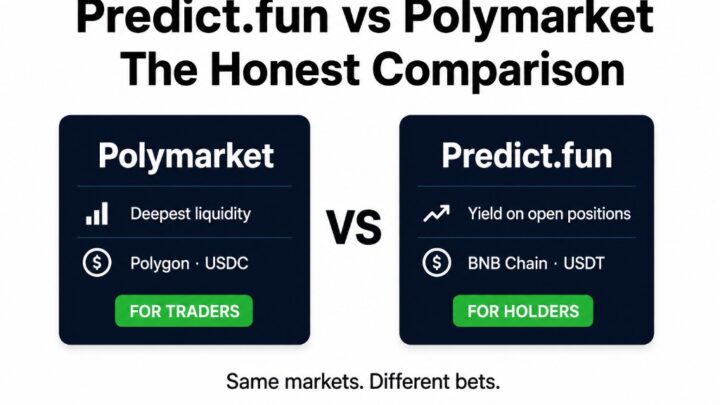
Predict.fun vs Polymarket: The Honest Comparison (2026)
Crypto Trading
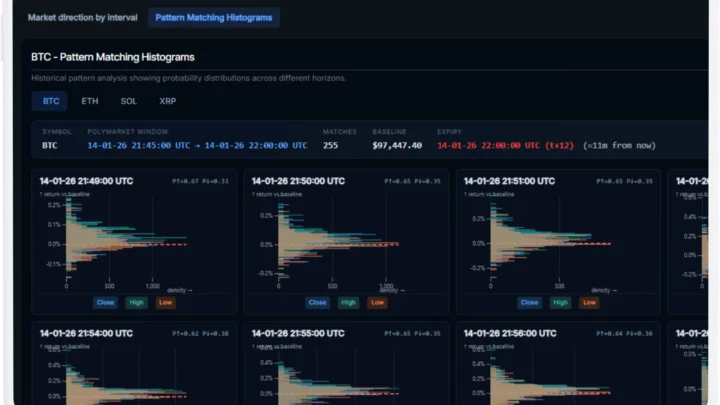
Ultimate Guide to Polymarket Crypto Trading (2026)
Crypto Trading
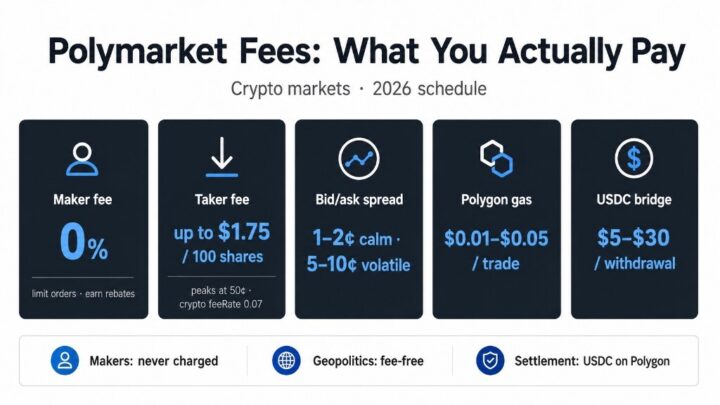
Polymarket Fees 2026: Taker Fees, Spread & Real Costs
Crypto Trading
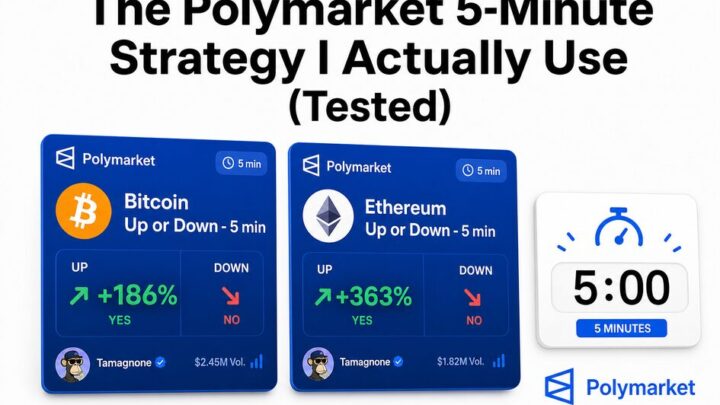
The Polymarket 5-Minute Strategy I Actually Use (Tested)

Crypto Trading