
General

A death cross sounds dramatic because chart headlines love scary names. In practice it is just a slower moving average crossing above a faster one that rolled over - useful context, not a prophecy. Below we walk through what that cross means in crypto, how SMAs and EMAs differ, and how we fold both into our modeling stack.
What a Death Cross Is on a Crypto Chart
A death cross forms when a short-term moving average falls below a long-term moving average after riding above it. Traders treat the event as a warning that momentum flipped: buyers stopped defending the trend quickly enough for the longer average to dominate.
Equities watchers often cite the 50- and 200-day pair; on crypto you might see 50/200, 100/200, or even hour-based equivalents. Match the interpretation to the timeframe - an hourly death cross matters for scalps, not necessarily multi-year holders.
Simple Moving Average (sma)
An SMA smooths closes by averaging the last n prints. It lags by design, which keeps the line stable but slow to react when volatility spikes.
SMA = (sum of the last n closes) / nWe still use SMA stacks because crowds watch them - self-fulfilling levels matter when enough orders cluster there.
Exponential Moving Average (ema)
An EMA weights recent prices more heavily, so the line hugs action tighter than an SMA with the same length. That responsiveness helps for faster exits; it also means more false crosses in chop.
EMA = (Close − Previous EMA) × (2 / (n + 1)) + Previous EMAWe rarely rely on a single EMA print. Instead we compare multiple lengths and tie them to volume or volatility filters before trusting a signal.
Final Takeaway
Treat a death cross as a regime flag, not a guaranteed collapse. Pair moving-average structure with confirmation - trend strength, funding, spot/perp basis - before you size. Our AI models ingest several SMA and EMA windows alongside other features for crypto price predictions, precisely because single-cross narratives miss half the tape.
Further reading

General
Crypticorn in ChatGPT: The Complete Guide to Our App (MCP)

Sin categoría
Top 10 Metrics To Consider During Fundamental Analysis
Sin categoría
DEUTSCH Tutorial: Metamask Wallet einfach erstellen
General
What is the difference between APR and APY in Crypto?
General
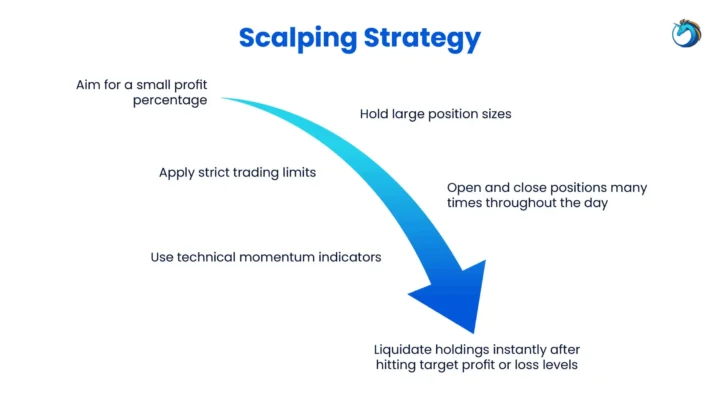
What is crypto scalping? Profitable Scalping Crypto Beginner
General